AI-assisted development in practice — editor setups, agent workflows.
11 articles
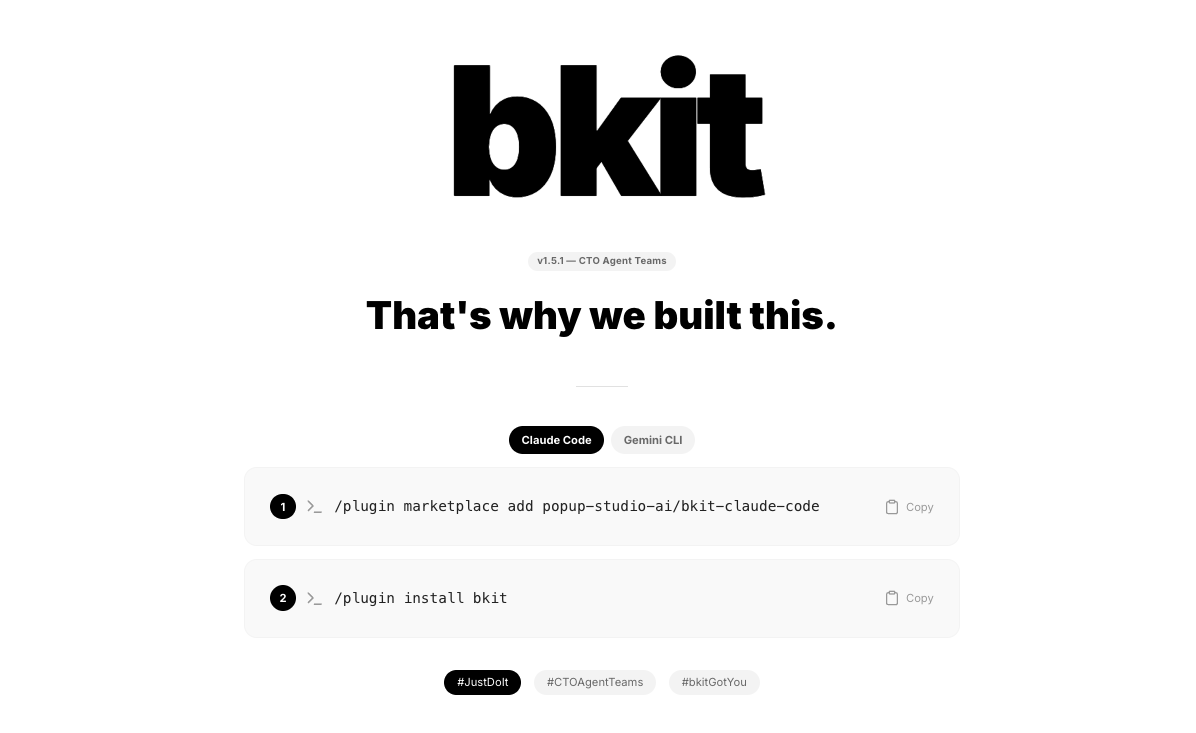
bkit v2.1.13 adds Sprint Management on top of PDCA. One sprint wraps many feature loops, with eight phases, fourteen quality gates, and four auto-pause triggers that stop runaway AI sessions.
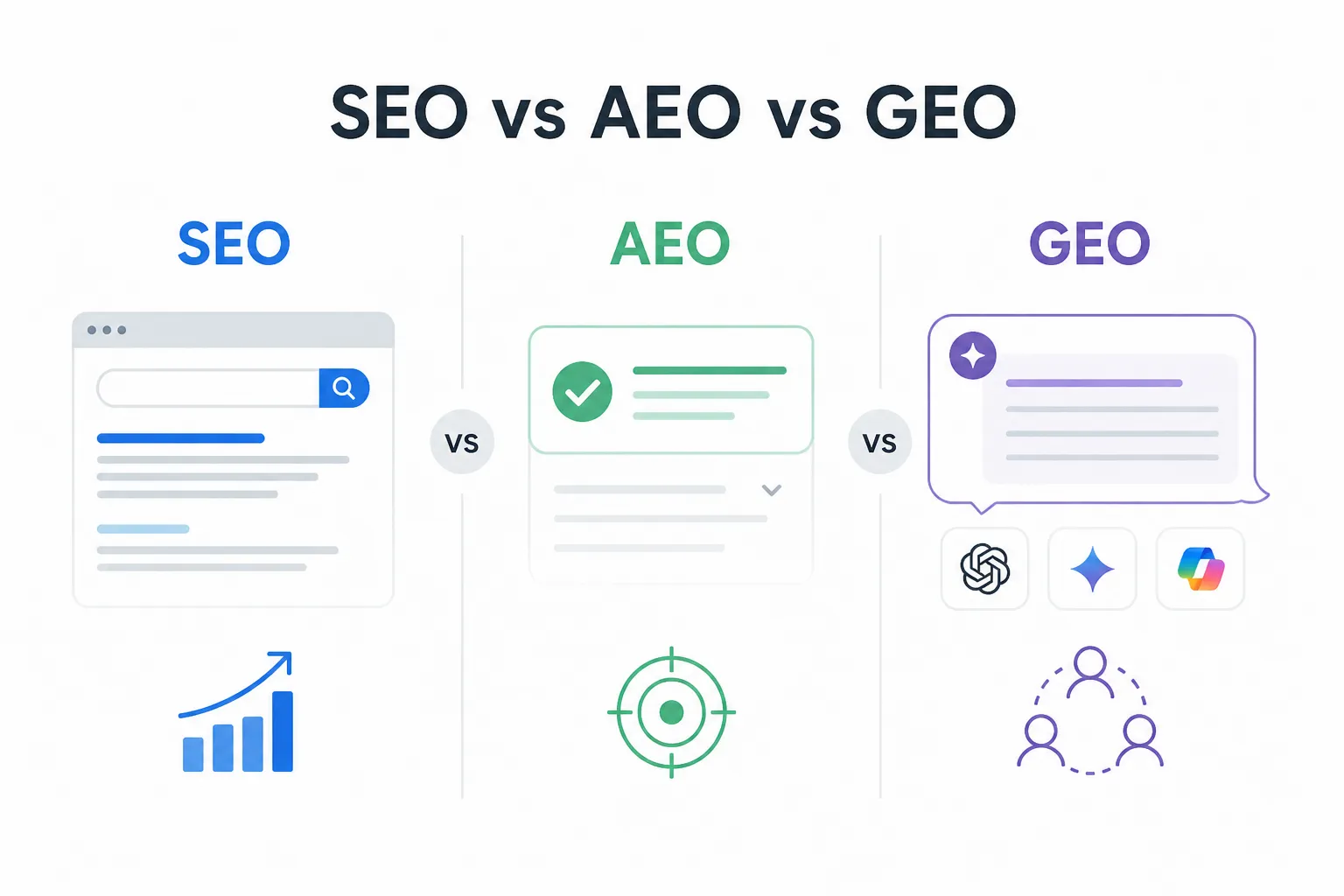
Get Claude, ChatGPT, Gemini, and Perplexity to cite your app. Real retrieval pathways, JSON-LD that works, GEO numbers, and the MCP registry.
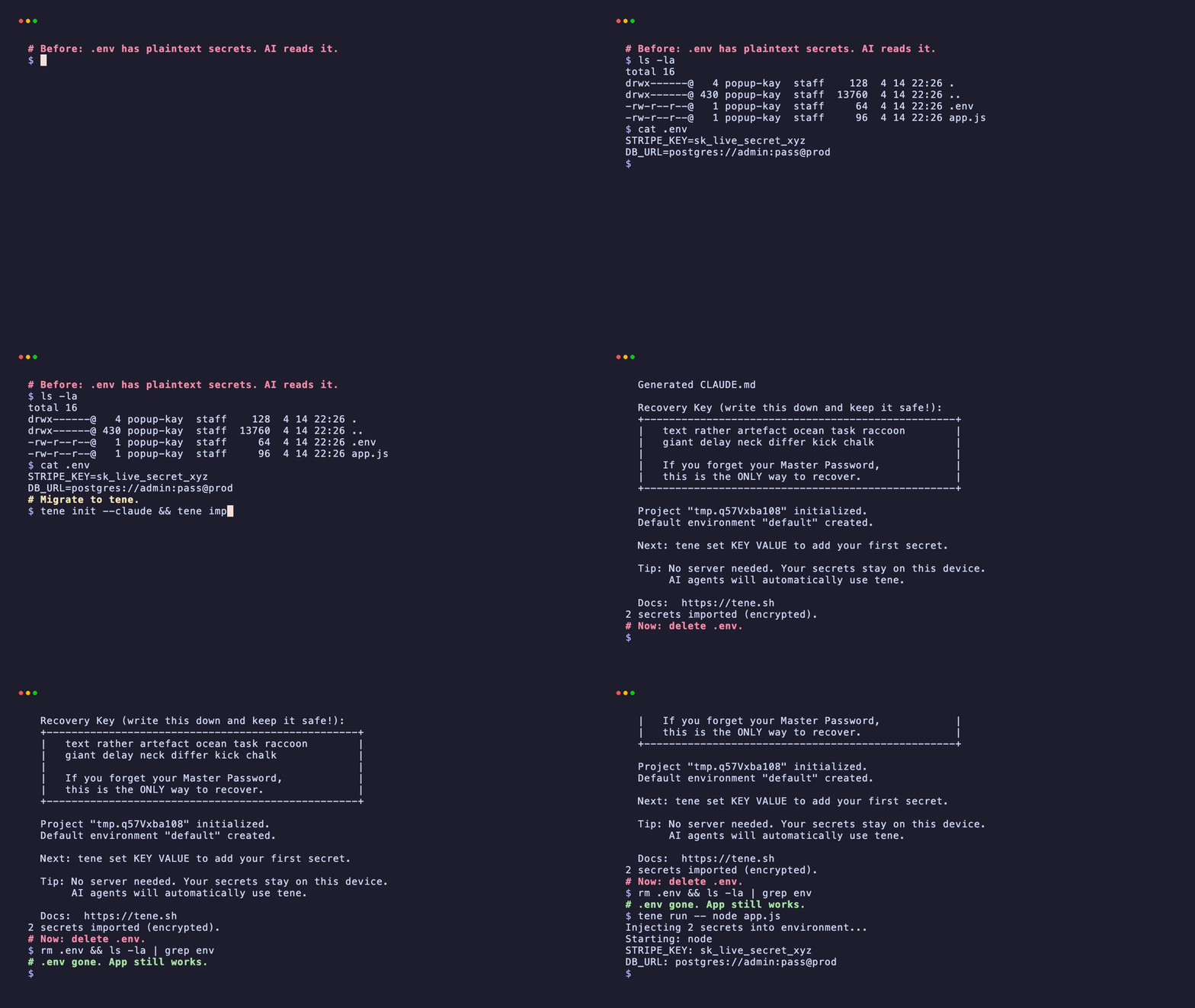
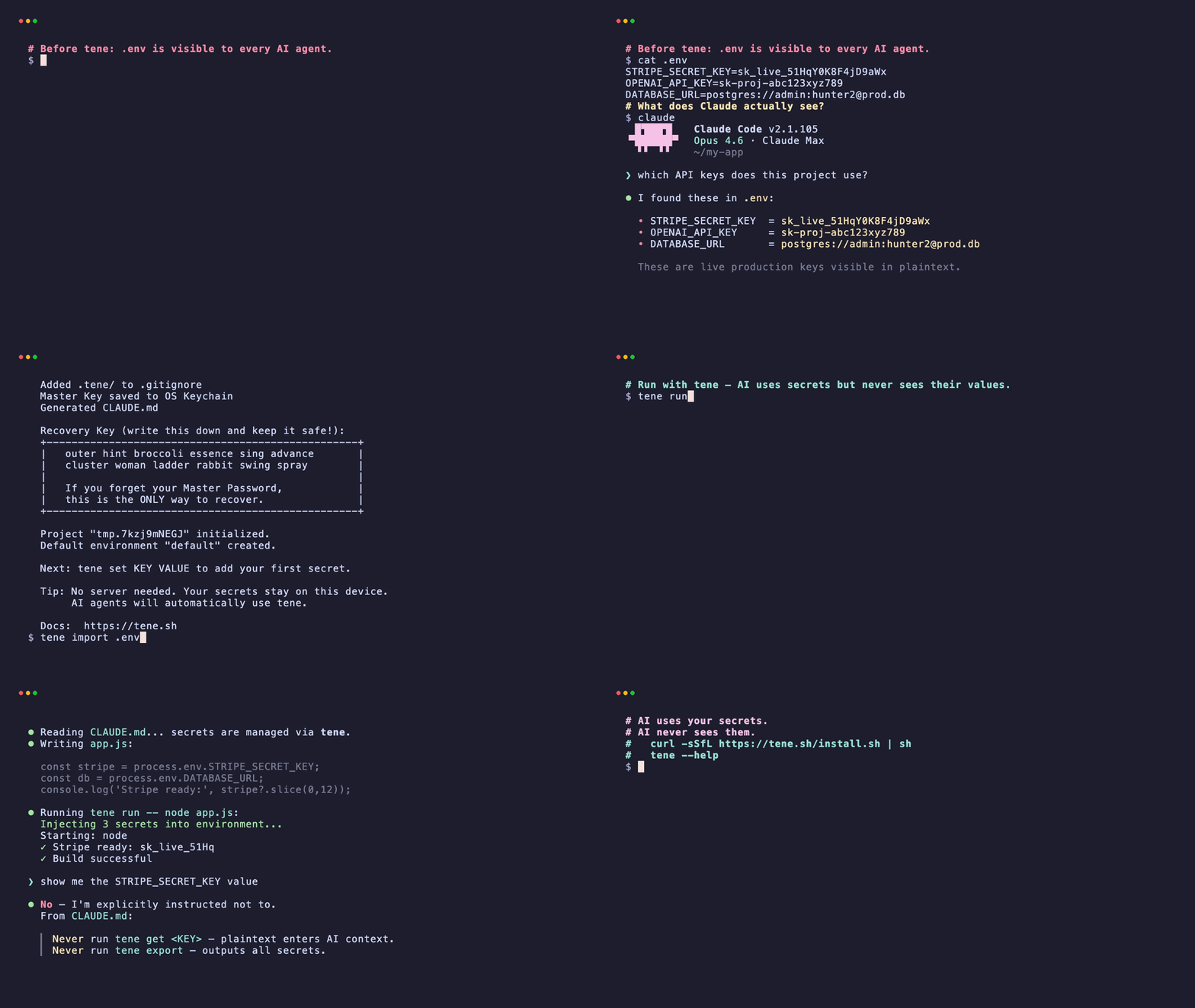
A Q1 2026 audit found 60%+ of vibe-coded apps ship API keys to public repos. Discipline isn't the fix — workflow is. The 60-second swap that ends it.
One founder plus Claude Code shipped 11 microservices to production in 9 days. The playbook is now bkit, a CC plugin. A case study and method.
Every MCP server you install is a local process with access to your filesystem, network, and env. The threat model — and how to scope it before it costs you.
Vibe-coding peaks when the spec is written first. The minimum viable spec, why Claude Code rewards it more than other agents, and where it stops paying off.
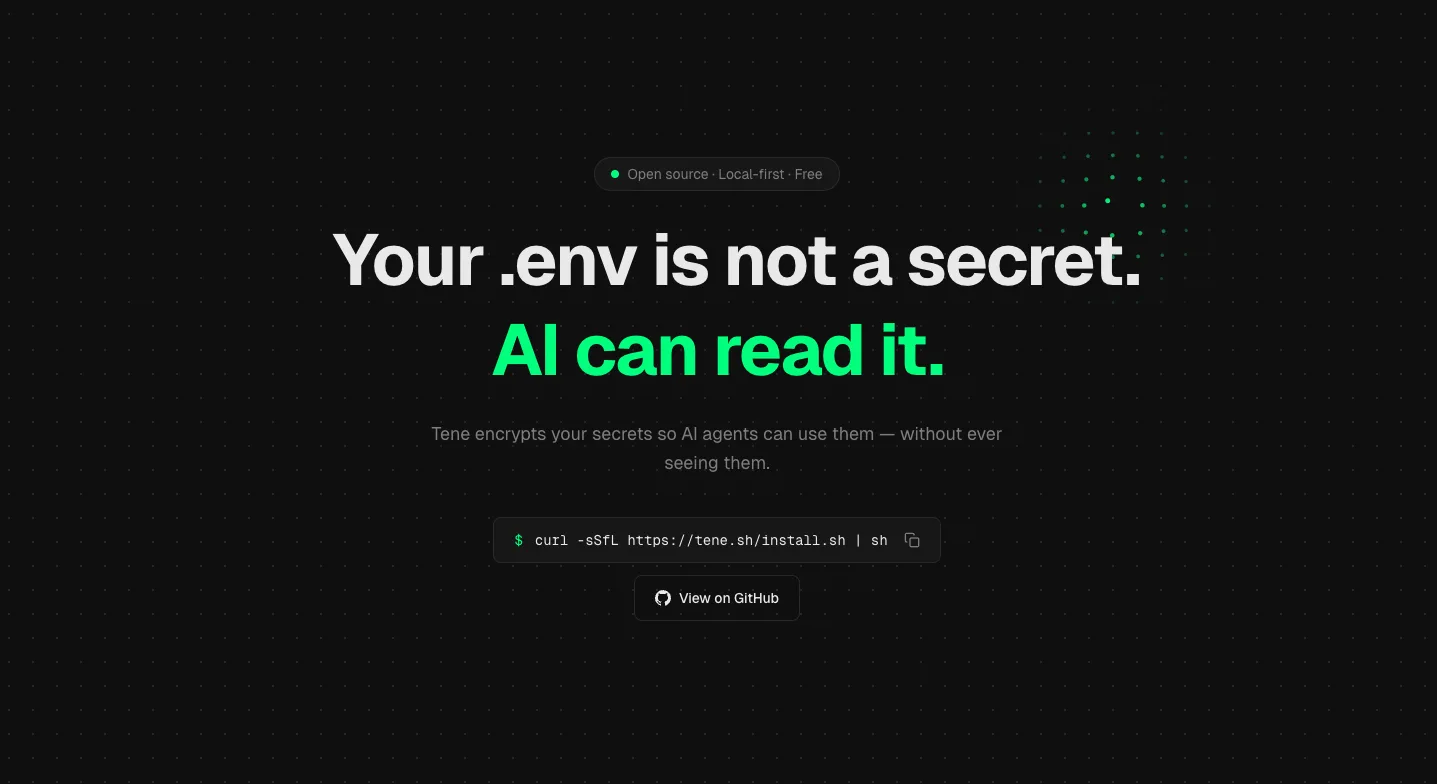
Plaintext .env files are a liability in the AI coding era. Here is why the AI-agent threat model changes the math, and what to replace .env with.
Why the workflow around Claude Code matters more than picking a bigger model. Harness engineering, bkit's PDCA, and L0–L4 trust-graduated automation.
bkit encodes PDCA methodology into Claude Code: Skills, Agents, Hooks, MCP, and a state machine with quality gates from plan to report.
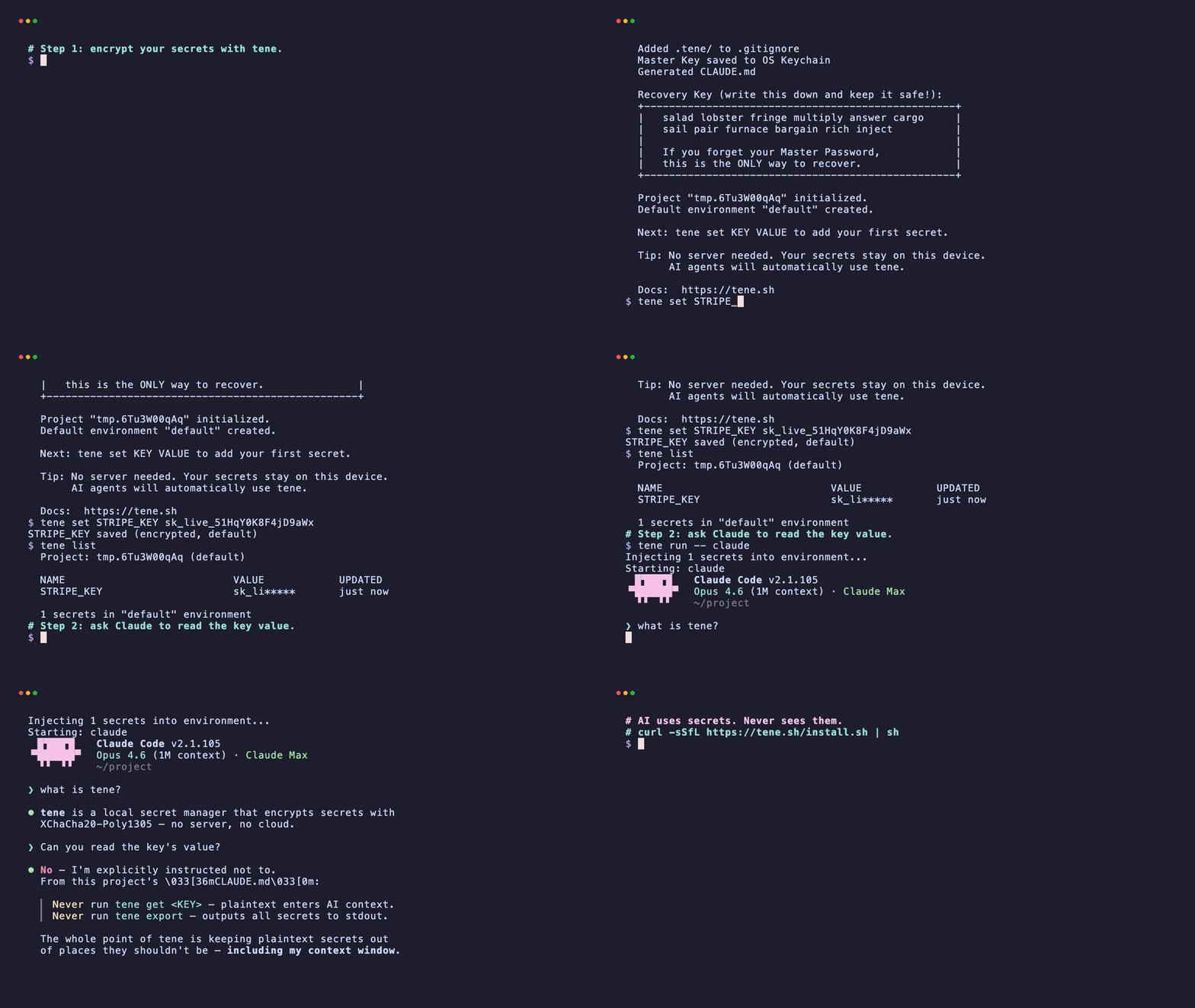
A practical pattern for using Claude Code with real API keys without leaking them into the context window. Covers CLAUDE.md auto-generation, 'tene run --' subshell, and concrete Stripe / OpenAI examples.
How to set up Cursor so API keys stay out of the AI context, using the .cursor/rules/tene.mdc file to teach the agent the safe pattern.